
Beyond the Couple Bubble: How to Harness Your Relationship’s Secret Superpower
June 9, 2025
Celebrating Sacred Presence
December 15, 2025
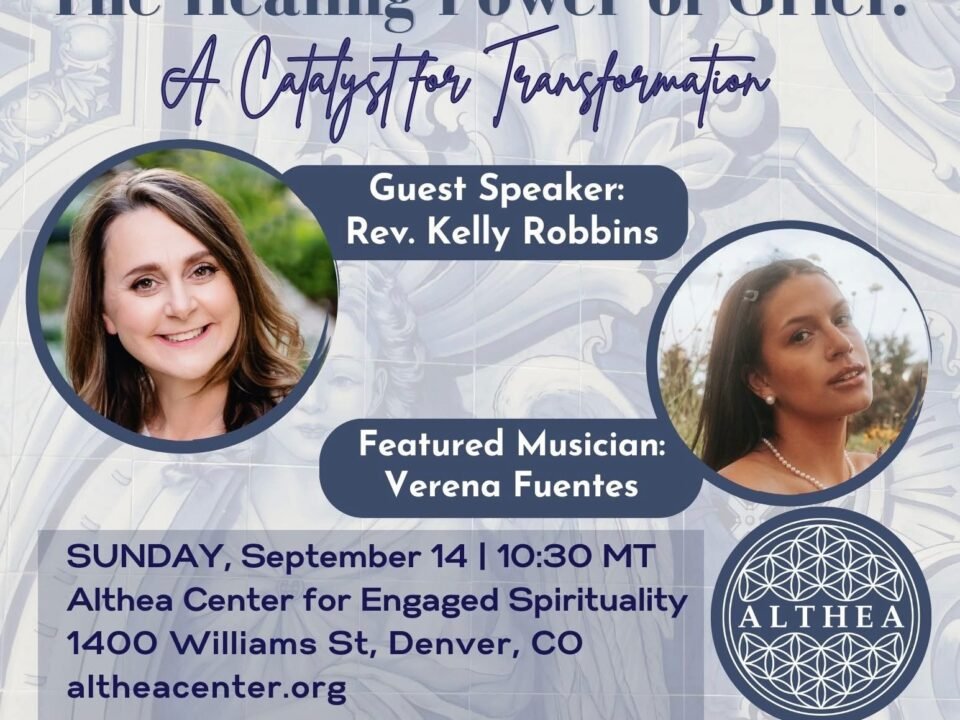
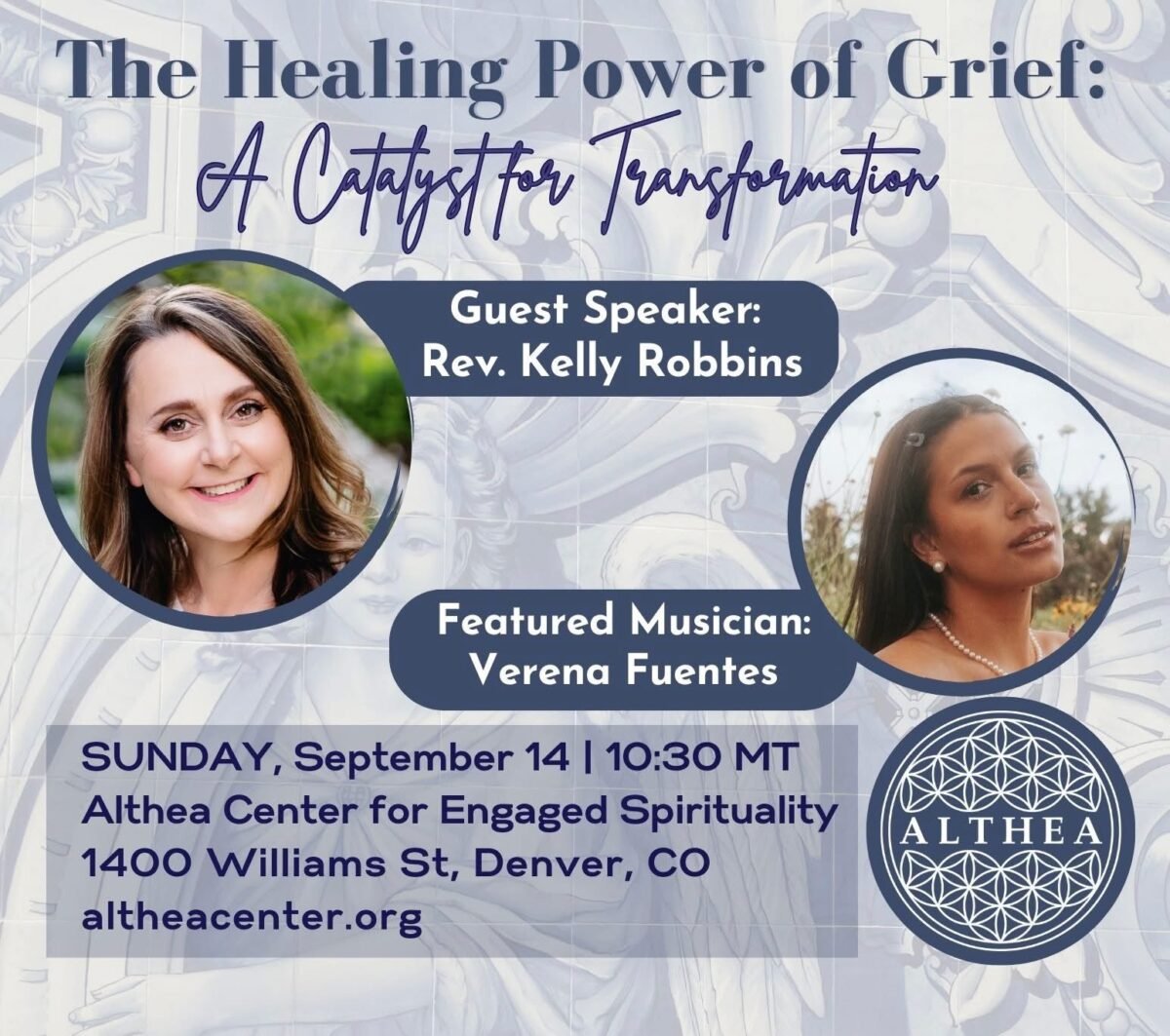
Loss, Grief, and Spiritual Healing
When we lose a loved one, the pain can feel unbearable. And while we may intellectually get that the pain will pass, it doesn’t ease the hurt in our hearts.
Instinctively, we don’t want to sit in the pain, and we search for ways to make it stop. We push ourselves to go back to our regular daily routine, perhaps chastising ourselves for being weak. Ultimately, we end up hurting ourselves when we avoid grieving, because it just stays stuffed in our body to rear its ugly head at some later point in time.
True healing requires us to allow grief to run its course. While we cannot change the past, we can change how we care for ourselves in the present. Here are actionable, time-tested ways to support your grieving process and begin healing.
These steps can help you move through grief and support your spiritual healing:
1. Practice the Art of Saying Goodbye
A sudden loss often robs us of the chance to say goodbye. You can create your own closure through intentional rituals:
- Write it out: Pour your thoughts, regrets, and favorite memories into a letter to your loved one.
- Speak aloud: Hold a photograph or set up an empty chair. Speak to them directly about what they meant to you.
- Switch perspectives: Step into their shoes. Imagine what words of comfort, support, or forgiveness they would offer you right now.
2. Honor Their Life with Ritual
The ritual of honoring the deceased is an ancient and vital part of healing. It does not need to be a formal or religious event to be meaningful. A Celebration of Life or Memorial Service can be held months after a loved one has passed.
- Host a gathering: Organize a small, casual celebration of life with close friends or family to share stories.
- Dedicate a time: You cannot pause your life forever, but you can carve out 15 minutes a day to intentionally sit with, welcome, and feel your grief.
3. Release Guilt and Regret
It is normal to think about things you wish you had done or said. But holding onto guilt will not change the past. Try to use those feelings to help you in the present:
- Accept the past: Acknowledge that you did the best you could with what you knew.
- Transform future actions: Let your regrets inspire you to show more love and support to the people in your life now.
4. Treat Your Body with Radical Compassion
Grief is not just emotional; it is deeply physical. You may be more tired than usual, find your sleep is disrupted, feel tense, or have changes in appetite. Caring for your physical body right now is an act of self-love. We heal from the inside out. Take time to slow down, turn inwards, and breathe.
- Listen to the lethargy: Feeling exhausted is your body’s natural way of forcing you to slow down and turn within.
- Practice micro-steps: Prioritize basic hydration, gentle stretching, and deep, mindful breathing to release physical trauma from your physical body.
Give Yourself Grace
Coping with the loss of someone you love is one of life’s biggest challenges. These rituals are ancient ways of saying goodbye and healing through grieving. Grief comes in waves and can pop up in unexpected moments. When a wave hits, try not to judge it or suppress it. To release emotions, we need to feel them and allow them to flow through our bodies. You must feel it to heal it. While you may not be able to stay away from work and your daily routine forever, I encourage you to carve out a specific time in your day/week to make space for grieving. A time where you allow and welcome grief.
If you are feeling stuck in your grief or find the weight too heavy to carry alone, please reach out. We can explore these emotions together in a supportive spiritual counseling session.